

LIVE WEBINAR
From Cost Pressure to Capacity: How Districts Can Leverage Facilities and Partnerships to Deliver Special Education In-District
Wednesday, April 29 | 1:00 – 1:45 pm ET
Special education needs are rising, alongside staffing shortages and increasing out-of-district costs, while many districts are also carrying fixed operating expenses for underutilized space. In this superintendent-led session featuring two former superintendents, you’ll learn a practical “Space-to-Support SPED” planning approach that helps district leaders align programming, finance, and facilities decisions to expand in-district capacity without starting from scratch.
You’ll walk away with actionable strategies to turn existing space into student-ready special education supports, explore cost-offset pathways (including situational regional/consortium options), and understand how to build deliberate partnerships that make in-district models work. The session will also highlight how New Story In-District Services can support districts through Specialized Support Services and School-Based Classrooms, informed by operational experience from 75+ specialized schools.
Who Should Attend
- Superintendents / Assistant Superintendents
- Finance & business leaders (CFO/Treasurer/Business Director)
- Facilities/operations leaders
- Student Support Services
What You'll Learn
- How to identify and repurpose underused space into safe, accessible, program-ready SPED environments
- A cross-functional planning framework to align facilities utilization, program design, and financial defensibility
- Practical, proven approaches to scaling in-district supports, including MTSS-aligned staffing and program solutions
- Options to reduce reliance on out-of-district placements through in-district models and partnerships
Featured Speakers
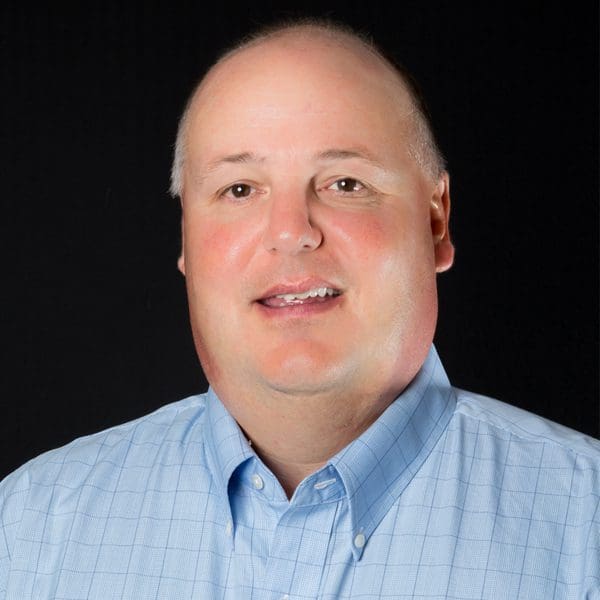
Dr. Rich Fry
Vice President of Engagement and Success, New Story
Dr. Rich Fry brings decades of experience as both an educator and administrator. He began his career in Northern Virginia and held administrative roles in several Pennsylvania districts before serving 16 years as Superintendent of Big Spring School District. Rich’s leadership background and deep understanding of district needs allow him to offer practical, district-focused strategies for expanding in-school programming and supporting students in the LRE.
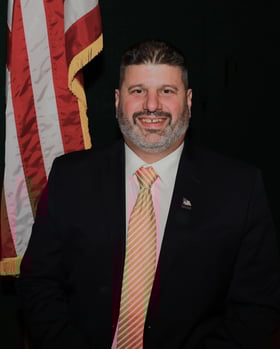
Michael Porembka
Director of School Engagement and Success, New Story
Michael Porembka, Director of School Engagement and Success at New Story, is an experienced education leader with more than 28 years in public education. In his current role, he focuses on strengthening student outcomes and supporting specialized educational environments across New Story. His career has included roles from Social Studies teacher to District Superintendent, most recently serving as Superintendent of the Greater Latrobe School District in Pennsylvania. He brings deep expertise in school leadership, special education, budgeting, staffing, school law, and program management, along with a strong commitment to student success and community engagement.
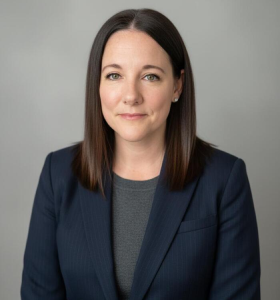
Jeanna Pignatiello
Chief Education and Outcomes Officer, New Story
Jeanna Pignatiello brings deep experience in academic leadership, operations, and program quality. She most recently served as Regional Vice President at Catapult Learning, where she led operations across 16 states and helped advance educational initiatives, compliance, quality assurance, and professional development. Before that, she was Chief Academic Officer at Stride, overseeing academic strategy for more than 75 virtual schools in 32 states. Over the course of her career at Stride, she held a range of leadership roles and helped strengthen instructional quality, social-emotional learning, teacher pipeline partnerships, and graduation outcomes through scalable academic programs.

“The genuine compassion I've observed demonstrated by the New Story staff members, despite the daily challenges thrown their way, makes it evident these folks are here for the most important reason… meeting the needs of our students!”
About New Story
New Story brings its special education services to public schools looking to expand or enhance their programs to better meet student needs. Our programs support K-12 students with autism, emotional disabilities, and mental health challenges through individualized instruction, therapeutic supports, and structured learning environments - all within the least restrictive environment.
Delivered in Partnership with: